September 3, 2026
Modifying solid foundations requires exact methods to prevent structural damage. Professionals rely on specialized equipment to cut through thick materials with exactness. Conventional jackhammers cause hidden micro-fractures in surrounding areas, which compromises overall integrity. Therefore, builders choose advanced techniques to achieve flawless results without collateral damage. The process of slab sawing provides an ideal solution for creating clean lines.
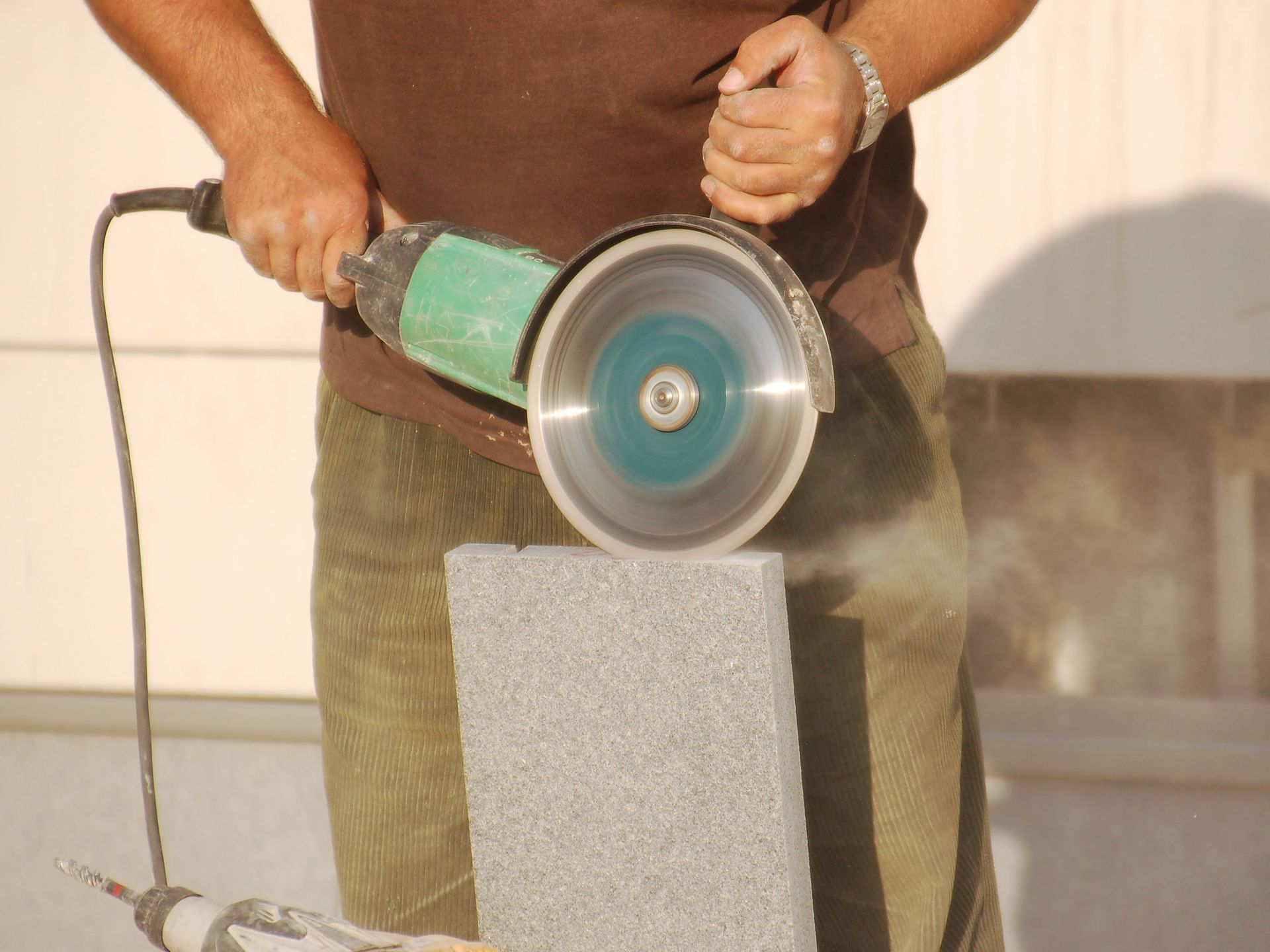
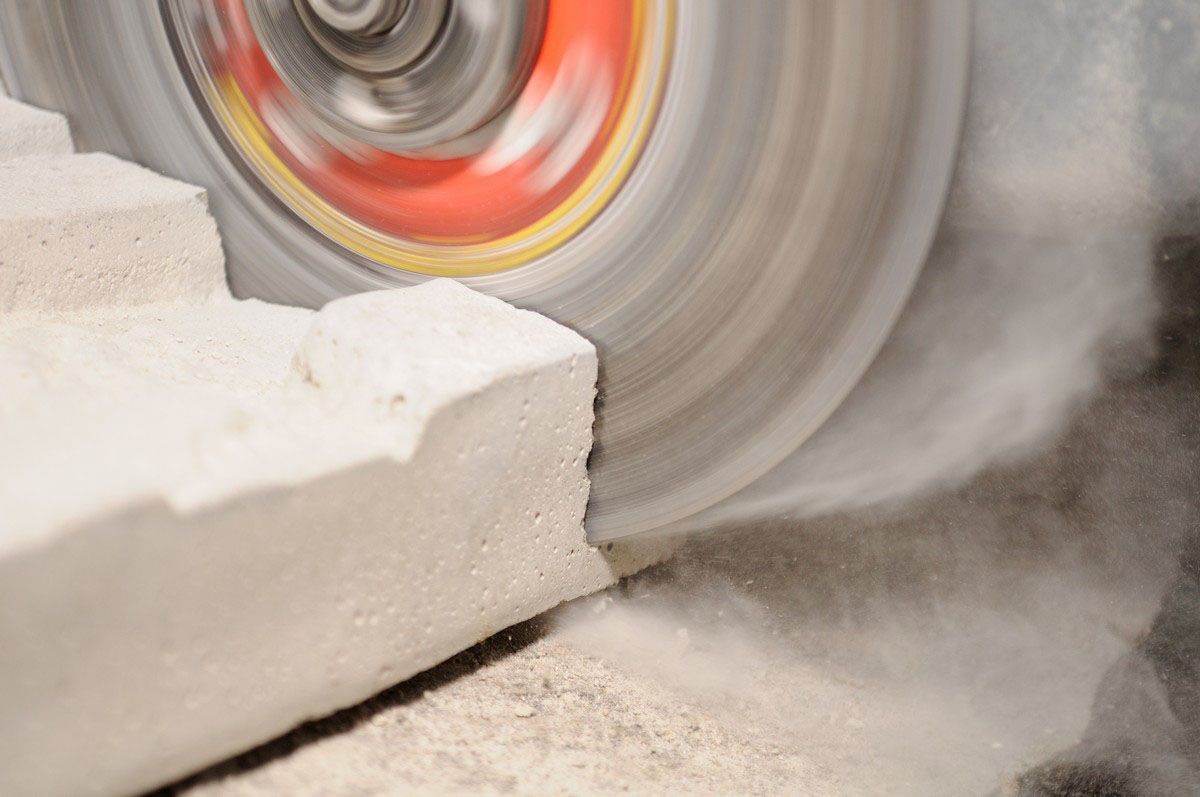
Creating major modifications in existing floors demands meticulous execution. Projects involving commercial renovations or complex upgrades require strict tolerances. Careless mistakes lead to extensive delays and unacceptable material waste. By employing slab sawing, contractors ensure each incision meets specific design requirements. The technique uses diamond-tipped blades to slice through solid surfaces.
1. Facilitating Precise Cuts for Plumbing Installations
Modernizing underground plumbing systems necessitates trenching through existing foundations. Water lines and massive drainage pipes require channels with specific depths and widths to function without issue. Slab sawing delivers the exact dimensions needed for these critical updates. The equipment features specialized water-cooled blades that glide along marked paths to create uniform trenches. Operators guide the machinery to maintain flawless straight lines.
Plumbers need predictable internal environments to lay straight pipes without unexpected bends. Rough edges from rudimentary breaking methods create numerous obstacles during installation. The powerful diamond blades slice through hard rock aggregates and thick steel reinforcements to produce smooth vertical faces. These clean cuts eliminate the need for extensive concrete patching. Workers place plumbing components into the prepared space without encountering jagged protrusions.
Precision prevents unnecessary destruction of the surrounding floor area during major facility upgrades. Traditional demolition impacts broad sections, demanding extensive and costly repair work afterward. Controlled cutting restricts the physical alteration to the planned trench path. The remaining floor maintains original strength and visual aesthetic appeal. Property owners appreciate the minimal disruption to the overall building footprint, keeping total renovation costs lower.
Workplace safety improves when trained operators utilize specialized cutting equipment. Heavy vibrations from standard breaker tools pose immense risks to worker health and adjacent structures. The fluid motion of the blade minimizes physical fatigue and reduces dangerous airborne dust. Built-in water attachments suppress toxic silica particles right at the source. Crews maintain healthier breathing environments while achieving structural openings for new water lines.
2. Enabling Clean Edges for Electrical Trenches
Upgrading complex electrical infrastructure requires the deep placement of protective conduits beneath the surface. Sensitive wires must sit at consistent depths to meet stringent municipal building codes. Cutting straight lines guarantees the rigid conduit remains secure and protected from damage. Operators mark the designated path on the solid floor before deploying heavy machinery. The blade follows guide marks to carve a perfect channel.
System engineers demand accuracy when designing intricate power layouts for commercial spaces. Minor deviations from the blueprint cause severe alignment issues with surface-mounted equipment and primary control panels. The cutting technique ensures every corner angle matches the original schematic without fail. Workers avoid the complications of adjusting expensive wire lengths due to irregular trench paths. Predictable openings streamline the electrical installation phase.
Minimizing stray debris remains a top priority in occupied commercial renovation zones. Conventional hammering methods generate excessive rubble and jagged fragments that clutter the tight job site. Slab sawing turns the solid concrete surface into manageable rectangular blocks. Removal teams extract these intact sections with ease using specialized heavy lifting equipment. The central workspace stays organized and free of scattered trip hazards.
Strict time management plays a vital role in overall construction project success. Master electricians face cascading delays if the trenching process encounters unexpected snags or produces uneven results. Pristine clean edges allow immediate placement of the plastic conduit without additional surface grinding. The seamless transition from targeted cutting to actual installation keeps the project on schedule. Predictable extraction methods prevent costly downtime.
3. Allowing Exact Dimensions for HVAC Modifications
Modern heating and cooling systems require precise floor penetrations for massive ductwork and ventilation grilles. These functional openings must match the geometric shape of the installed vents to maintain crucial airtight seals. Irregular jagged holes lead to energy loss and inefficient indoor climate control. Contractors rely on the precision of diamond blades to outline required vent dimensions. The smooth aperture fits the metal ducting.
Large commercial climate units demand substantial floor alterations to accommodate expansive return air shafts. The sheer physical size of these deep cuts amplifies the need for straight boundaries. Heavy cutting machinery performs the arduous task by tracking along pre-set metal rails. The continuous blade rotation slices through thick solid barriers with ease. Structural integrity around the massive opening remains uncompromised despite material removal.
Coordinating multiple distinct building trades requires exact and predictable site conditions. HVAC unit installers depend on dedicated cutting crews to deliver designated openings within strict size tolerances. When square apertures achieve flawless alignment with pre-fabricated metal ducts, the entire climate system comes together seamlessly. The absence of jagged edges protects fragile insulation and flexible duct materials from accidental tears. Accurate cuts facilitate flawless integration.
Ambient noise reduction presents a significant distinct advantage during extensive indoor modifications. Percussive jackhammer demolition creates deafening, harsh environments unsuitable for ongoing business operations in adjacent rooms. The smooth grinding action of the circular blade produces a steady hum rather than violent ground impacts. Sound levels stay manageable for onsite workers and nearby building occupants. Quieter operation allows essential construction without violating noise ordinances.
4. Ensuring Smooth Boundaries for Structural Expansions
Major building expansions often dictate the deliberate removal of specific foundation sections to tie in massive new footings. The critical intersection between established and brand-new construction demands a pristine surface for optimal material bonding. Creating a sheer flush face on the existing floor is paramount for long-term structural stability. Specialized industrial cutting equipment provides the necessary drop-off. Fresh liquid material adheres better.
Removing entire broken sections of a damaged floor requires strategic project planning and execution. Contractors outline the specific compromised zone and use slab sawing to isolate the target area. This physical isolation prevents the dangerous transfer of kinetic breaking energy to healthy portions of the foundation. The pristine solid sections remain undisturbed while isolated blocks undergo safe extraction. Targeted, distinct removal preserves overall asset value.
Strict environmental control remains crucial during major structural building alterations. Large-scale unregulated demolition often releases hazardous microscopic elements into the local atmosphere. Integrated water suppression features of the heavy cutting equipment capture fine dust before it becomes airborne. Wet slurry generated by the cutting process undergoes simple industrial vacuum collection. Pristine work zones protect the surrounding environment and adhere to stringent governmental safety regulations.
Evaluating proposed project timelines involves understanding the baseline efficiency of the chosen material removal technique. Expedited removal processes keep the massive building expansion moving toward completion. According to HomeGuide, removing concrete slabs usually takes one to two days to complete. Utilizing precise advanced cutting techniques streamlines this critical timeline by turning chaotic rubble demolition into an organized block extraction without unnecessary delays.
Precise building concrete modification requires specialized, distinct approaches to guarantee project success. Major facility upgrades involving plumbing, electrical, HVAC, and sheer structural expansions demand exactness to prevent costly errors. Slab sawing delivers the required dimensional accuracy for all these distinct professional applications. The advanced technique protects surrounding structures from unnecessary collateral damage while producing pristine, clean edges. Environments remain safer and cleaner.
Modern construction professionals continue to favor clean cutting methods for demanding facility renovations. The consistent physical results keep strict project schedules intact and reduce overall structural material waste. By eliminating jagged rough edges and hidden micro-fractures, expert contractors deliver superior smooth finishes for the subsequent building trades. Mastering these techniques ensures top-tier enduring quality. When your project demands precise concrete modifications, reach out to us at Hard Rock Sawing & Drilling Specialists Co. We provide professional slab sawing services to keep your renovation on schedule and flawlessly executed.