October 8, 2026
The modern construction landscape demands intricate, highly accurate modifications to existing concrete structures, driving a growing reliance on advanced diamond-cutting technologies. Among these specialized methods, precision wall sawing stands out as an essential technique for executing clean, straight, and structurally sound modifications. By utilizing track-mounted circular diamond blades, this process allows operators to cut vertically and horizontally through heavy reinforced concrete, dense masonry, and brick with remarkable control. Understanding the operational fundamentals, equipment options, safety measures, and environmental considerations of this trade enables project managers and contractors to achieve superior structural results while maintaining strict job-site efficiency.
Understanding the Basics of Wall Sawing
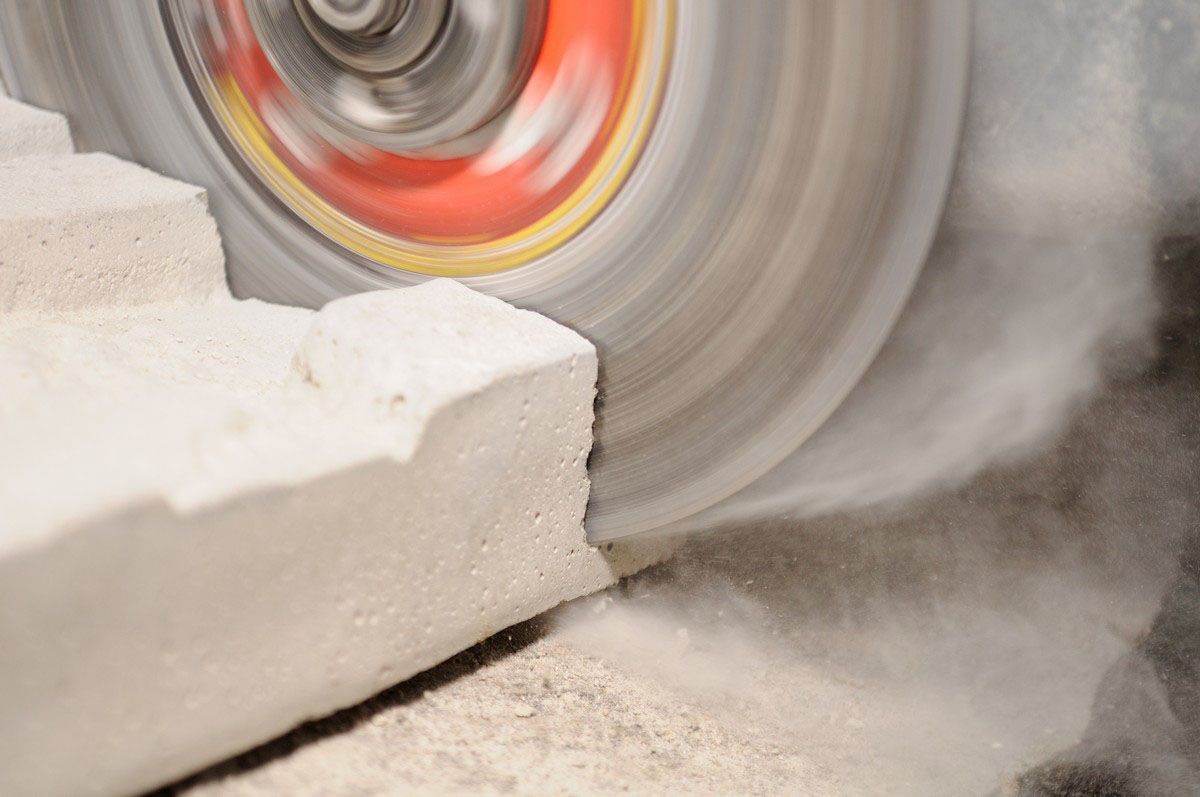
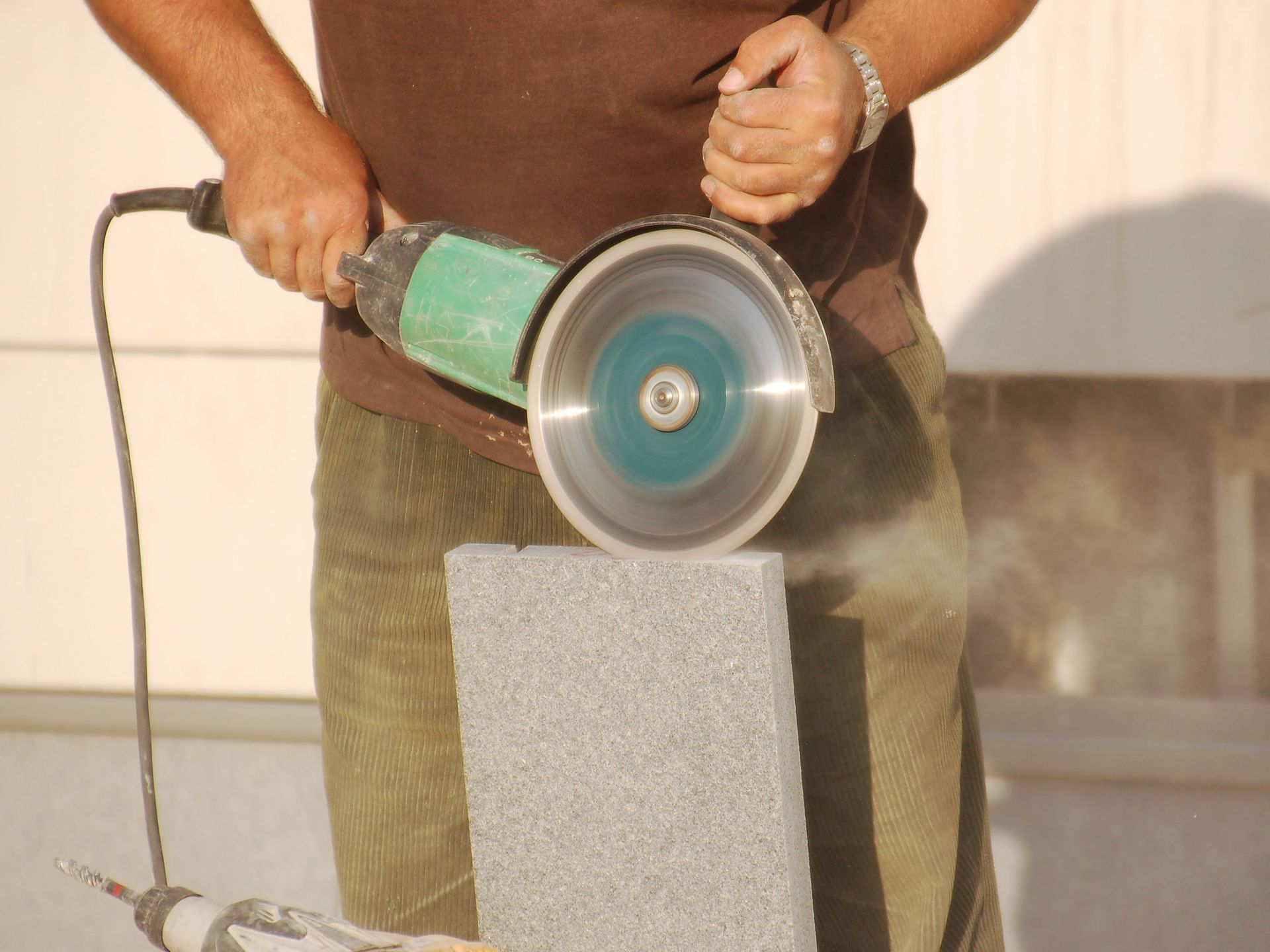
Precision wall sawing is a specialized concrete-cutting technique that utilizes a circular diamond blade mounted on a track system to create smooth, accurate openings in vertical or sloping surfaces. Unlike hand-held saws or destructive impact methods like jackhammering, track-mounted systems deliver exact dimensional control. This precision makes the process essential for creating plumb doorways, egress windows, ventilation duct penetrations, and structural expansions without causing micro-fracturing in the surrounding substrate. By preserving the structural integrity of adjacent walls, contractors eliminate the need for costly secondary patching and cosmetic repairs.
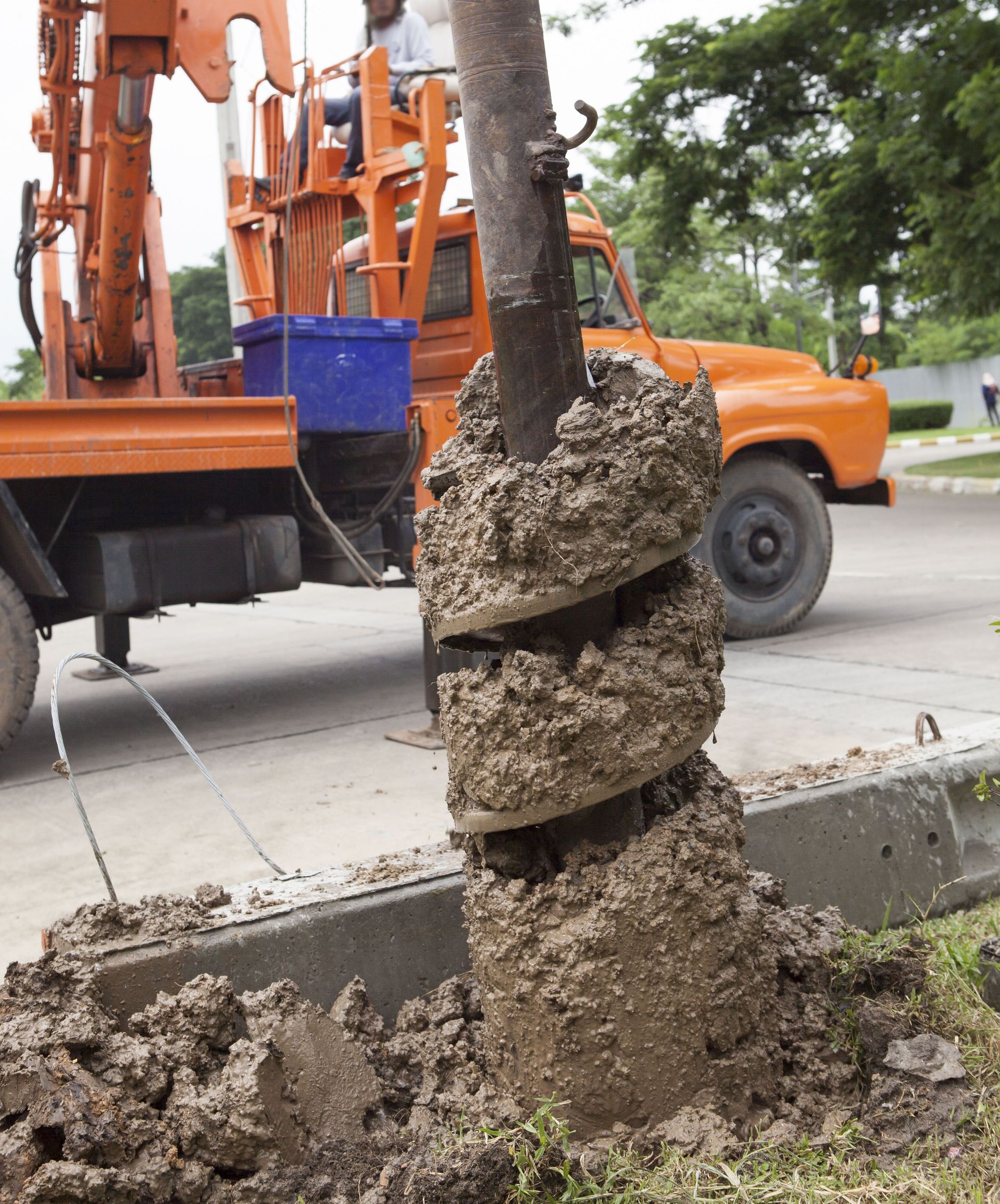
The historical development of wall sawing reflects a continuous drive toward greater job-site efficiency and operator safety. Early structural modification relied heavily on manual labor, pneumatic hammers, and primitive stitch-drilling methods that were physically exhausting, time-consuming, and imprecise. The integration of high-output diamond-segmented blades and rigid aluminum track assemblies fundamentally transformed the industry, allowing for smooth cuts through dense aggregates and heavily reinforced rebar matrices. According to U.S. SAWS, cutting-edge core drilling machinery, such as the advanced equipment offered by A-Core, possesses the capability to penetrate depths exceeding 60 feet. This impressive capability highlights the extraordinary evolution of modern diamond-cutting technology.
Today, precision wall sawing is widely applied across commercial, residential, and civil infrastructure projects. In commercial facilities, it enables the creation of large equipment access ports, elevator shaft modifications, and stairwell openings. Residential contractors rely on the technique to cut precise foundation openings for basement windows and home extensions without disturbing the home's structural stability. In civil engineering projects, such as bridge retrofits, dam repairs, and transit tunnel modifications, track-mounted saws allow engineers to remove massive concrete sections safely. The unmatched versatility of the process across concrete, brick, and stone ensures its ongoing necessity in structural renovation.
Tools and Equipment Used in Precision Wall Sawing
Executing accurate cuts through heavily reinforced concrete requires a sophisticated collection of specialized machinery. The core system consists of a high-torque saw head, a rigid guide track securely anchored to the concrete surface, and a premium circular diamond blade. The guide track ensures that the saw head travels along a perfectly straight line, eliminating blade binding and maintaining dimensional accuracy across long cutting passes. Remote control consoles allow operators to manage blade rotation, plunge depth, and track travel speed from a safe distance, drastically reducing exposure to dust, flying debris, and mechanical vibration.
Contractors select power sources based on job-site constraints, cutting depth requirements, and ventilation conditions. Electric wall saws are highly favored for indoor commercial projects due to their quiet operation and zero exhaust emissions. High-frequency electric units deliver impressive power-to-weight ratios, allowing for deep cuts in confined areas. Conversely, hydraulic systems offer immense torque and durability, making them the preferred choice for heavy civil applications requiring deep penetration through dense rebar configurations. Pneumatic systems serve specialized niche roles, particularly in hazardous industrial or subsea environments where electrical spark risks or liquid immersion prevent the use of alternative power sources.
Techniques for Effective Wall Sawing
Achieving high-quality cuts begins long before the saw head is mounted to the track assembly. Thorough pre-planning involves conducting detailed site surveys, reviewing structural blueprints, and utilizing ground-penetrating radar to locate embedded electrical conduits, tension cables, and plumbing lines hidden within the concrete. Operators must calculate exact blade progression schedules and track positioning anchors to maintain straight lines across long distances. Factoring in structural load shifts is also vital, as heavy concrete blocks must be properly shored, rigged, and supported before cutting commences to prevent dangerous binding or sudden structural collapse.
During execution, equipment positioning and feed rate management directly govern cut quality and blade health. The guide track must be securely bolted to the substrate using heavy-duty expansion anchors to prevent track chatter and drift. Operators typically execute a shallow plunge pass to establish a clean reference kerf, followed by progressively deeper passes to manage thermal build-up and motor stress. Adapting feed speeds to the density of embedded rebar prevents blade glazing and maintains steady cutting production. Controlling water delivery to the blade face is equally essential, as adequate water flow cools the diamond segments, flushes slurry from the cut path, and eliminates airborne dust.
Safety Measures and Best Practices
Due to the extreme power and rotational speeds of diamond cutting machinery, safety protocols are strictly enforced on every wall sawing job site. Comprehensive risk management begins with equipping all operators with certified personal protective equipment. Mandatory gear includes heavy-duty hard hats, impact-resistant face shields, steel-toed boots, high-noise attenuation ear protection, and waterproof outer garments. When wet-cutting methods cannot fully contain respirable crystalline silica dust, operators must wear NIOSH-approved particulate respirators to prevent long-term respiratory complications.
Thorough site preparation and risk mitigation are critical components of a safe working environment. Prior to starting equipment, operators establish controlled work zones using warning tape, rigid barricades, and clear safety signage to keep unauthorized personnel away from the cutting perimeter. Rigorous utility location checks prevent accidental contact with energized electrical cables or high-pressure gas lines embedded within walls. Additionally, teams establish detailed emergency response protocols, maintaining fully stocked first aid kits, emergency stop controls, and clear evacuation pathways. Regular operator training and safety certifications ensure that crew members remain proficient in equipment operation, hazard identification, and industry safety standards.
Environmental Considerations and Sustainability
Modern construction standards place significant emphasis on minimizing the environmental footprint of structural demolition and modification activities. Precision wall sawing inherently supports sustainable job-site practices by offering a non-explosive, low-vibration alternative to traditional mechanical demolition. By producing smooth, precise openings on the first pass, wall sawing minimizes material waste and eliminates the unnecessary destruction of sound structural concrete. Furthermore, low-vibration cutting preserves adjacent building components, reducing the volume of raw materials needed for secondary repairs.
Proactive waste management and slurry recycling strategies further enhance the sustainability of cutting operations. Water suppression systems generate a heavy concrete slurry that must be contained, collected, and properly treated rather than discharged into municipal storm drains. Advanced slurry separation units allow contractors to filter out solid concrete fines for recycling into aggregate base materials while re-circulating clarified water back through the cutting equipment. Choosing energy-efficient electric saws and adhering to regional environmental compliance standards allows concrete cutting contractors to lower their site carbon footprint while maintaining exceptional operational productivity.
Digital integration via Building Information Modeling and digital twin technology is also transforming project planning and execution. By incorporating three-dimensional site scans into digital planning software, engineers can map out precise wall sawing sequences before arriving on site, identifying potential structural conflicts and utility overlaps virtually. As urban redevelopment projects demand cleaner, quieter, and more precise structural modifications, advanced wall sawing technology will remain a vital component of modern commercial construction. When your project demands structural accuracy, heavy-duty depth capabilities, and flawless execution, partner with Hard Rock Sawing & Drilling Specialists Co. to access industry-leading diamond cutting expertise and high-performance equipment tailored to your exact specifications.