February 4, 2026
In modern construction, core drilling services are a critical tool for both residential and commercial projects. These specialized services allow for precise creation of holes in concrete, asphalt, stone, and other hard materials, enabling smooth installation of utilities, structural supports, and specialized systems. From plumbing and electrical conduits to anchor placements and large-scale renovations, core drilling ensures accuracy while minimizing damage to surrounding structures. As construction demands grow in complexity, professional core drilling services provide efficiency, safety, and reliability, allowing projects to stay on schedule and meet strict quality standards. Investing in experienced providers helps homeowners, contractors, and commercial developers avoid delays, reduce costs, and ensure structural integrity.
Mastering the Basics of Core Drilling
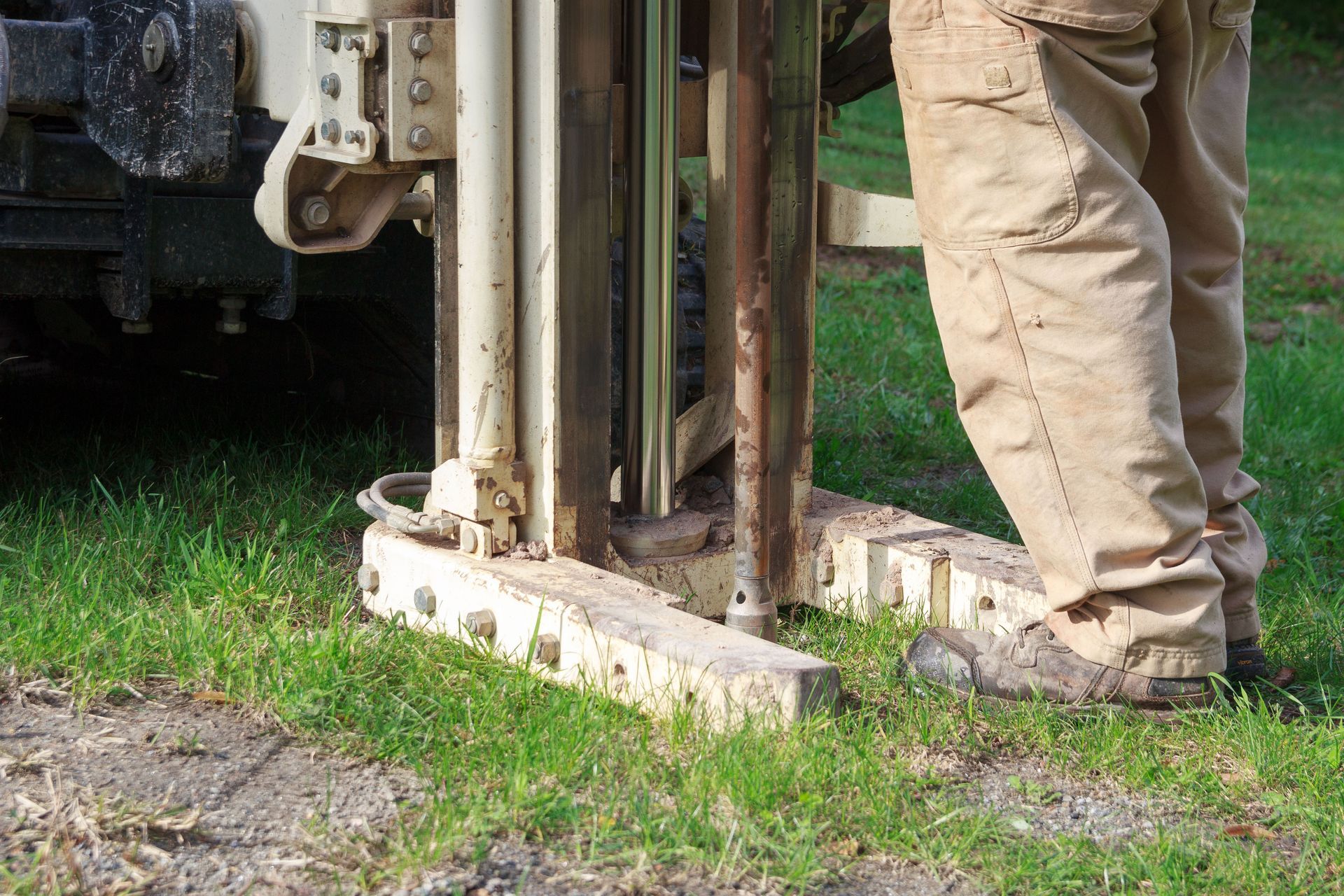
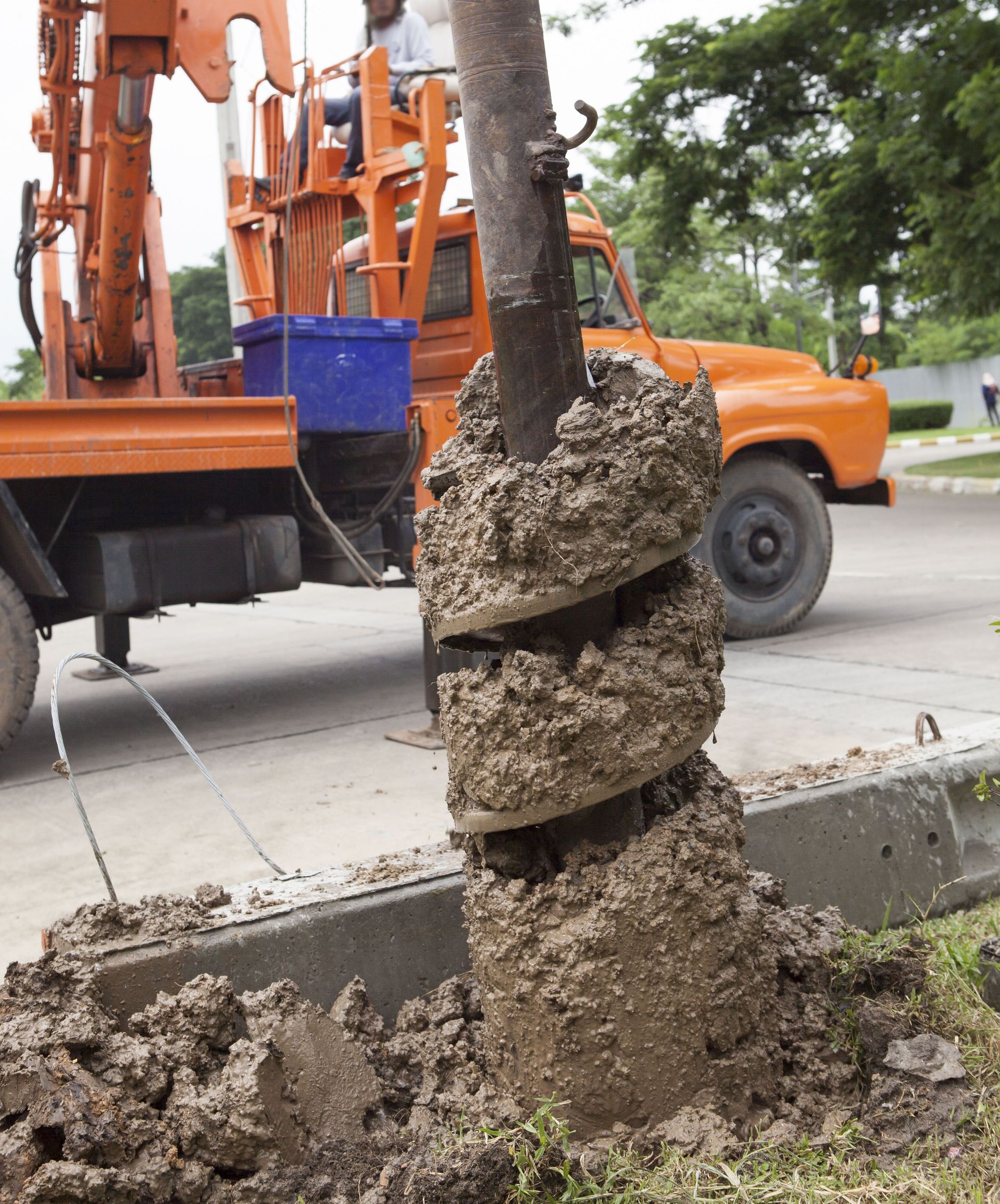
Core drilling is a method designed to cut circular openings in hard surfaces with minimal disruption. Using diamond-tipped drill bits, these services allow contractors to penetrate materials efficiently, providing clean and precise results. Historically, core drilling evolved from early mining and geological practices, where workers manually extracted rock samples. Over the decades, technological advancements transformed it into a highly precise and efficient construction technique. Modern equipment includes handheld and rig-mounted drills, guide rods, water pumps for wet drilling, and dust collection systems, allowing core drilling services to adapt to diverse project requirements.
Core drilling finds wide application across both residential and commercial projects. In homes, it allows seamless installation of HVAC systems, electrical wiring, and plumbing through walls, ceilings, and floors. In commercial settings, core drilling is used for utility penetrations, anchor placements, and renovations of large structures such as office buildings, warehouses, and hospitals. Its precision minimizes structural damage and ensures that subsequent installations proceed smoothly. Additional benefits include noise reduction, dust suppression, and improved cost-efficiency. According to Global Growth Insights, over 50% of urban construction projects now mandate wet core drilling due to its safety and environmental advantages, highlighting the growing reliance on professional core drilling services.
Exploring Core Drilling Techniques
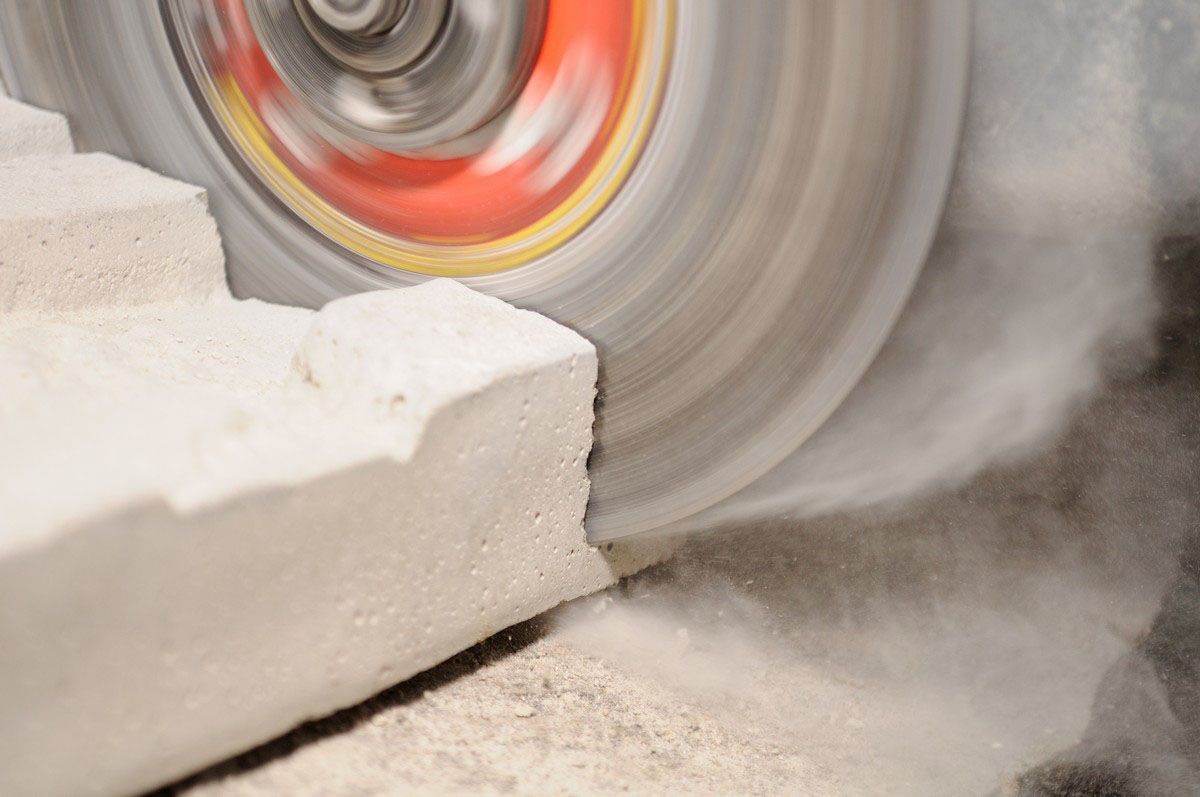
Professional core drilling services employ various techniques depending on the material, project environment, and construction needs. Wet core drilling is the most commonly used technique, particularly in urban areas where controlling dust and noise is critical. Water cools the drill bit and suppresses dust, prolonging equipment life while protecting workers and the surrounding environment. Dry core drilling, in contrast, is ideal for interior projects or areas where water could damage flooring or finishes. Specialized bits combined with dust extraction systems maintain air quality and visibility, making this method highly effective for confined spaces or smaller-scale projects.
Electric core drilling provides consistent power for indoor applications, offering precise control while reducing noise and eliminating fuel emissions. Hydraulic core drilling, often used in heavy-duty industrial projects such as bridges, highways, and large commercial structures, delivers high torque and cutting power to penetrate tough materials quickly. Pneumatic core drilling, powered by compressed air, is favored in environments where fire risks or fuel emissions are a concern, such as chemical plants or mining operations. By understanding these techniques, clients can choose the most suitable core drilling services for their specific project, ensuring safety, efficiency, and high-quality results.
Selecting the Right Core Drilling Provider
Choosing a qualified provider is one of the most important decisions in any core drilling project. Experience and expertise are essential; skilled providers bring knowledge of diverse materials and project conditions, anticipating challenges and delivering reliable solutions. Safety is another critical factor. Reputable providers enforce strict safety standards, including proper use of personal protective equipment, routine equipment maintenance, and adherence to OSHA and other regulatory guidelines. Providers who prioritize safety reduce the risk of accidents, protect workers, and prevent costly project delays.
Client reviews and testimonials are valuable indicators of service quality. Positive feedback demonstrates reliability, efficiency, and professionalism, while negative reviews may highlight potential challenges. Cost is also an important consideration; obtaining multiple detailed quotes allows clients to compare pricing and ensure transparency. High-quality core drilling services balance cost with value, providing the expertise and tools necessary for precise and safe results. Finally, flexibility and availability impact project timelines. Providers who adjust schedules to accommodate other trades, unexpected site conditions, or urgent deadlines enhance workflow efficiency and maintain smooth progress across the construction site.
Planning and Preparing for Core Drilling
Proper planning is essential for effective core drilling services. Site assessment is the first step, involving evaluation of material composition, stability, and existing structural elements that may affect drilling. Understanding site characteristics allows providers to select the most appropriate drilling technique and equipment. A comprehensive drilling plan details sequence, tools, and safety protocols, ensuring a smooth workflow and minimizing risk. Permits and regulatory compliance are critical, particularly for commercial projects where local codes govern drilling near utilities or load-bearing structures. Securing permits in advance prevents delays and ensures legal compliance.
Site preparation also involves logistical considerations, including placement of equipment, safety barriers, and workspace organization. Proper planning ensures materials, debris management, and equipment storage are efficiently handled, preventing disruptions. Coordination with other construction activities is equally important. By aligning drilling schedules with ongoing work, core drilling services can integrate seamlessly into larger projects, reducing interference and maintaining progress. Careful planning maximizes efficiency, safeguards structural integrity, and promotes a safe working environment for all personnel.
Overcoming Challenges in Core Drilling Projects
Core drilling services often face complex challenges that require strategic solutions. Hard ground conditions, such as reinforced concrete or dense stone, demand specialized drill bits or hydraulic systems to ensure efficiency and prevent equipment damage. Limited access areas, such as confined interiors or high ceilings, necessitate compact, portable equipment, along with pre-planned logistical pathways. Noise and vibration are common concerns in residential and commercial areas; modern wet drilling systems, noise-reduction features, and project scheduling mitigate these impacts.
Precision and accuracy are crucial to maintain structural integrity. GPS-guided or laser-assisted drills reduce human error and ensure measurements are exact. Environmental considerations, including proper disposal of slurry and dust suppression, reflect sustainable practices in modern construction. Addressing these challenges effectively requires professional expertise, specialized tools, and thorough project planning, all of which ensure that core drilling services deliver consistent, high-quality outcomes.
Embracing Future Trends in Core Drilling
The future of core drilling services is defined by innovation, efficiency, and sustainability. Advancements in drill technology include real-time performance monitoring, ergonomic designs to reduce operator fatigue, and stronger drill bit materials to increase cutting speed and durability. Sustainability practices, such as water recycling in wet drilling and eco-friendly lubrication fluids, minimize environmental impact. Automation and AI integration are also transforming the field, enhancing precision, reducing reliance on manual labor, and predicting maintenance needs before equipment failure occurs.
Safety features have evolved alongside technological progress. Modern drills include automatic shutoffs, pressure sensors, and smart monitoring systems to protect operators and maintain operational efficiency. As new materials and construction methods emerge, innovative drilling techniques are being developed to meet increasingly complex project demands. Core drilling services that embrace these trends provide faster, safer, and more environmentally conscious solutions for residential and commercial projects, ensuring that infrastructure development keeps pace with modern standards and regulations.
Core drilling services are essential in modern construction, offering precise, efficient, and safe solutions for a wide range of residential and commercial projects. From utility installation to major renovations and industrial infrastructure, professional providers ensure projects are completed on time, within budget, and with minimal disruption. By understanding techniques, evaluating providers carefully, planning meticulously, and embracing technological advancements, construction teams can maximize the benefits of core drilling services. For reliable, expert drilling tailored to your project needs, contact Hard Rock Sawing & Drilling today and experience precision, efficiency, and quality that only true professionals can provide.