November 3, 2026
In the realm of residential construction, exact modifications to existing foundations form the cornerstone of any successful expansion. When expanding a footprint, contractors encounter dense reinforced concrete that requires meticulous separation without causing systemic vibration shock to the current structure. Standard cutting equipment and percussive methods frequently create jagged fractures, compromising the building envelope and creating structural liability. Professional wall sawing services resolve these structural vulnerabilities by employing specialized track-mounted machinery equipped with industrial diamond cutting wheels. These motorized track assemblies anchor directly to vertical foundation walls, establishing a stable pathway for surgical concrete removal. Utilizing high-powered hydraulic or electric drive units, technicians achieve plumb openings that align seamlessly with new structural footings, wall framing, and crawlspace configurations.
Investing in high-caliber excavation and cutting methods yields measurable financial benefits for property owners seeking to expand living spaces. Beyond structural safety, accurate concrete modification protects homeowner equity by eliminating costly rework during subsequent framing phases. According to HomeAdvisor, adding onto a home generally increases property value, delivering an average return between 22% and 50% of the project's original cost. Achieving this financial milestone relies heavily on meticulous execution from the ground level upward, as foundational flaws immediately diminish overall renovation margins. Contracting certified wall sawing services provides homeowners with documented quality assurance, preventing sub-surface settlement issues while preparing existing masonry walls for immediate integration with framing members, plumbing lines, and moisture barriers.
Establishing Structural Precision
Foundation cuts demand strict dimensional control because modern residential building codes enforce tight framing tolerances. A concrete opening cut off-axis or compromised by over-cutting alters load paths, transferring unintended building weight to adjacent foundation footings. Specialized wall sawing services prevent these structural weaknesses by producing straight vertical and horizontal incisions through thick reinforced concrete, brickwork, and stone masonry. Operators track the motorized diamond saw head across anchored steel guide rails, eliminating human error caused by blade wobble or hand fatigue. This mechanical consistency protects subterranean structural walls from excessive percussive shock, leaving adjacent foundation surfaces stable and sound.
Beyond basic structural reliability, pristine foundation cuts simplify the work of succeeding trades by providing exact dimensions for exterior doors, passage portals, and egress access points. When a foundation cut matches architectural schematics to the millimeter, framers install sill plates, anchor bolts, and headers without needing extra masonry shims or concrete grinding. Clean foundation cuts also allow waterproofing barriers, exterior flashings, and insulation panels to seat flush against bare substrate surfaces. This clean joining reduces moisture intrusion risks and prevents drafts along the foundation perimeter, protecting energy efficiency and visual alignment.
Operating Specialized Cutting Systems
Vertical concrete cutting requires specialized heavy equipment built to withstand extreme mechanical loads and high-torque demands. Central to this process is the track-mounted wall saw, featuring a circular blade core lined with industrial diamond segments bonded in a resilient metal matrix. Unlike standard walk-behind road saws, a vertical track system mounts rigidly onto vertical or steeply inclined foundation walls using heavy-duty masonry drop-in anchors. The motorized saw travel head glides smoothly along these aligned steel rails, powered by remote hydraulic units or advanced high-frequency electric packs. These versatile drive systems enable technicians to cut through reinforced concrete walls, dense granite boulders, and thick stone foundations with uniform speed.
Precision diamond tooling operates alongside continuous water supplies that cool the cutting matrix and suppress silica concrete dust at the contact point. Technicians choose specific blade diameters and matrix hardness grades based on concrete compressive strength and steel rebar density. Because modern cutting systems can be managed via ergonomic remote-control consoles, operators oversee blade advance rates, track travel, and water flow rates from safe vantage points. This equipment separation keeps personnel clear of rotational hazards, wet slurry zones, and flying slurry mist while maintaining surgical accuracy across deep foundational cuts.
Delivering Measurable Construction Efficiencies
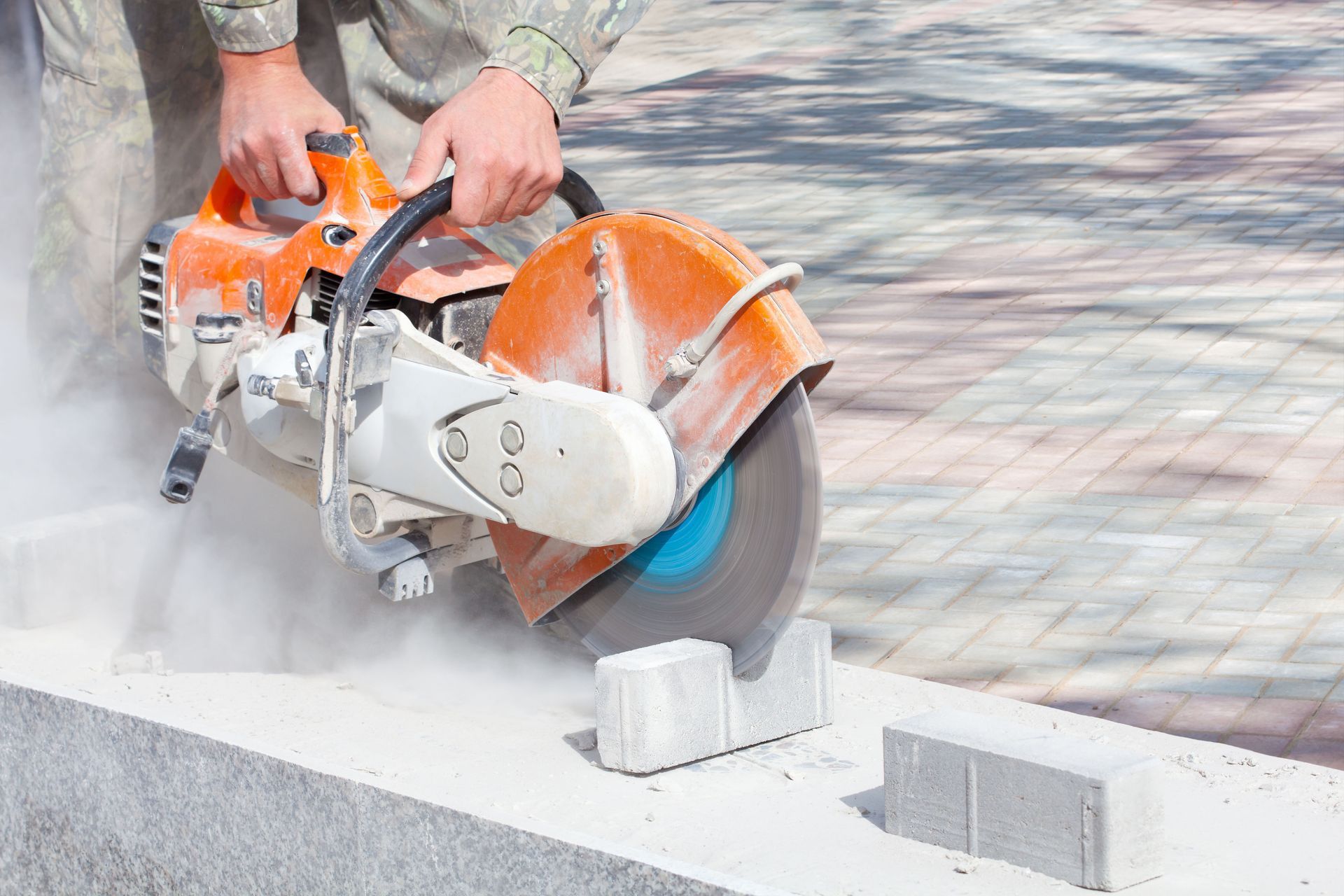
Wall sawing outclasses outdated demolition alternatives like pneumatic jackhammers, rotary hammer drills, and manual handheld cutoff saws. Traditional impact tools generate massive kinetic vibrations that travel through foundation walls, causing hidden micro-fissures in existing concrete and loosening structural mortar joints. These uncontrolled vibrations regularly shake adjacent drywall loose, break window seals, and damage plumbing pipes in living areas above. By utilizing continuous rotary abrasion rather than percussive impacts, modern wall sawing services cut dense concrete smoothly, keeping surrounding structural assemblies pristine and ready for adjacent construction.
Operating advanced diamond track systems also reduces project schedules by eliminating manual chipping and structural repair cycles. What once required multiple labor shifts with loud jackhammers is accomplished in hours with a continuous diamond blade track assembly. The automated linear movement produces flat, smooth interior margins that need no secondary patching or smoothing before installing window bucks or door frames. Reducing turnaround times lowers labor costs, limits dust containment periods, and minimizes neighbor noise complaints, accelerating project timelines and improving customer satisfaction across residential additions.
Evaluating Initial Jobsite Conditions
Every foundation modification begins with a meticulous onsite assessment of existing architectural and structural conditions. Before bringing equipment to the site, certified wall sawing services evaluate the thickness, age, and compressive hardness of the existing foundation wall. Technicians utilize scanning tools, such as ground-penetrating radar and electromagnetic cover meters, to map concealed steel reinforcement patterns, embedded electrical conduit, and buried utility lines. Identifying structural steel sizing and rebar spacing allows operators to select the right diamond blade segment formulas and configure machine power settings for optimal cutting speeds.
Site assessments also involve direct coordination between specialized cutting technicians, structural engineers, and general building contractors. Technicians verify existing soil-bearing stability and check for signs of foundation settlement or unaddressed masonry movement. By planning machinery positioning around crawlspace obstructions, exterior grading changes, and landscape plantings, technicians eliminate logistical delays on cutting day. This early diagnostic collaboration identifies structural challenges in advance, ensuring the cutting process proceeds smoothly without compromising homeowner safety or architectural requirements.
Planning Engineered Concrete Cuts
Executing foundation alterations safely requires meticulous engineering preparation before any cutting tools touch the substrate. Structural engineers calculate existing loads, weight transfers, and soil pressures across foundation sections to determine proper temporary shoring needs. If an opening removes significant load-bearing mass, temporary support posts and steel beams are installed inside crawlspaces or basements to bear floor joist weight throughout cutting. Technicians transfer these structural engineering drawings directly onto wall surfaces using chalk reference lines, laser leveling tools, and verified elevation benchmarks.
Clear cutting schematics show operators exactly where cuts must end to prevent over-cutting into adjacent perimeter concrete. Traditional circular cutting blades naturally over-cut corners on rear wall faces due to blade radius geometry; professional technicians mark these boundary limits carefully to maintain structural margins. Depending on engineering specifications, technicians core-drill the corner points in advance, creating clean circular junctions that stop blade travel precisely. These calculated preparatory layouts protect foundation integrity while providing structural framing teams with exact openings for headers and door frames.
Navigating Municipal Safety Standards
Residential foundation cuts require formal municipal building permits and compliance inspections to ensure structural modifications follow regional building codes. Diligent contractors obtain stamped engineering blueprints, zoning clearances, and foundation plan approvals before starting construction. Permitting guarantees the home addition meets structural load standards, seismic resistance rules, and water table containment requirements. Professional wall sawing services maintain active licenses, comprehensive liability insurance, and manufacturer machine certifications, assuring homeowners and building inspectors that foundation cuts will be completed according to strict industry standards.
With concrete blocks extracted, operators run industrial vacuum systems to collect leftover water, sweep up concrete slurry, and dismantle rail assemblies. Technicians grind down expansion anchor holes and remove remaining corner connection nibs with handheld diamond grinders, leaving smooth, plumb openings. Structural framing contractors and foundation specialists can immediately mount new treated sill plates, structural anchor bolts, and moisture barriers without delays. Homeowners and general contractors looking to expand living spaces can partner with Hard Rock Sawing & Drilling Specialists Co. for high-precision wall sawing services that prepare foundation cuts cleanly, safely, and efficiently.